The race has been on to extend internet connectivity to all corners of the world. We’ve been keeping up with Google’s Project Loon’s progress for the past few years. This past Thursday, Facebook announced that it had successfully completed a test flight of its unmanned solar-powered drone Aquila.
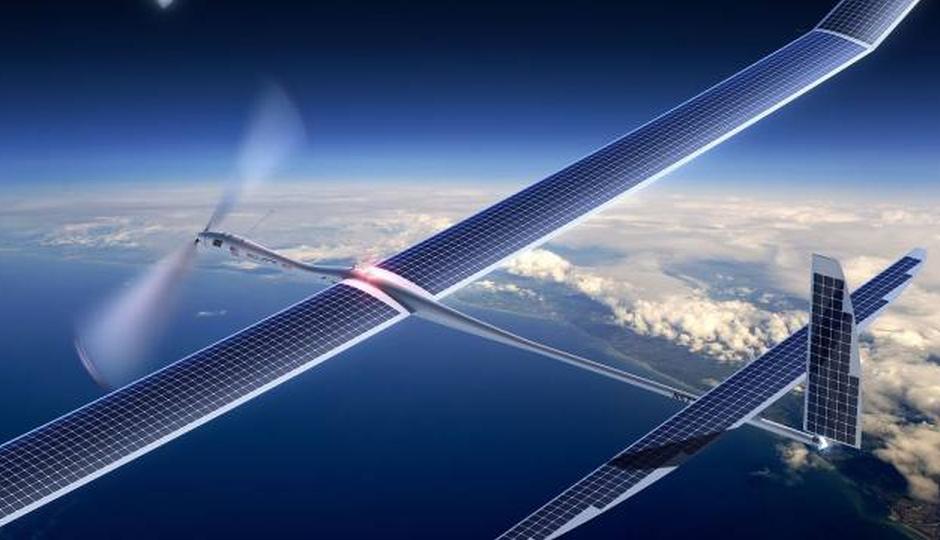
Aquila is Facebook’s lightweight, high-altitude drone aircraft. This is a new concept, as Google’s Project Loon is using weather balloons instead. In its test flight, Aquila flew at a few thousand feet for 96 minutes in Yuma, Arizona. The idea is to have a fleet of Aquilas that can fly for at least three months at a time.
From International Business Times:
The aircraft is expected to use new laser-beam technology to provide access to fast internet for people in a 60-mile radius as it circles the area above. The signal it emits will be received by the antennas of small towers and dishes on the ground, which will convert the signal into Wi-Fi or 4G networks.
According to Facebook, the drone’s wingspan is wider than a Boeing 737 [and] weighs less than 1,000 pounds […] Its power consumption stands at about 5,000 watts, which is roughly the same as three hairdryers. Facebook is making attempts to refine the current model by making it even lighter and more energy efficient.
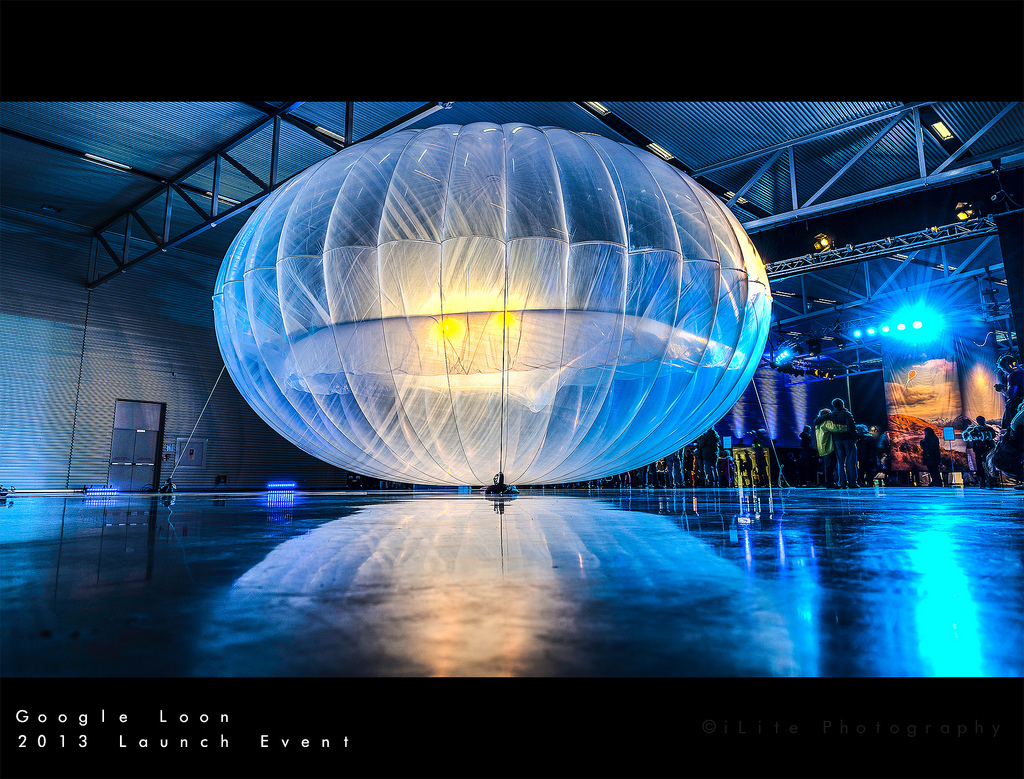
Project Loon, on the other hand, is using high-altitude, wind-propelled balloons that circle at extremely high altitudes. The mobile operators extend wireless networks into remote areas without running fiber optic cable or building cell towers.
The same basic idea behind both with different approaches to get there. Both have been in the works for awhile now. What is the benefit? Well, both Google and Facebook are two of the top online businesses. Their continued growth includes continued growth in new areas. That’s not to say that they are doing this solely for their businesses, but internet growth does benefit them.
With more than half the world offline currently, this is a big undertaking. I’m sure we’re still a few years out from a solid solution, but it is definitely interesting to track the progress along the way.
In the meantime, who are you pulling for? Do you think Facebook’s drone approach is better? What are your thoughts on Google’s Project Loon’s progress so far? Let’s hear what you think –comment below!