We’ve filled you in on Google’s Project Loon: here, here, and here (project designed to solve the problem of limited internet access across the globe) and have been checking in the past few months for updates on this awesome project. Meanwhile, Google isn’t the only one interested in jumping into the airborne internet race. The question is, who are the players? And who will win?
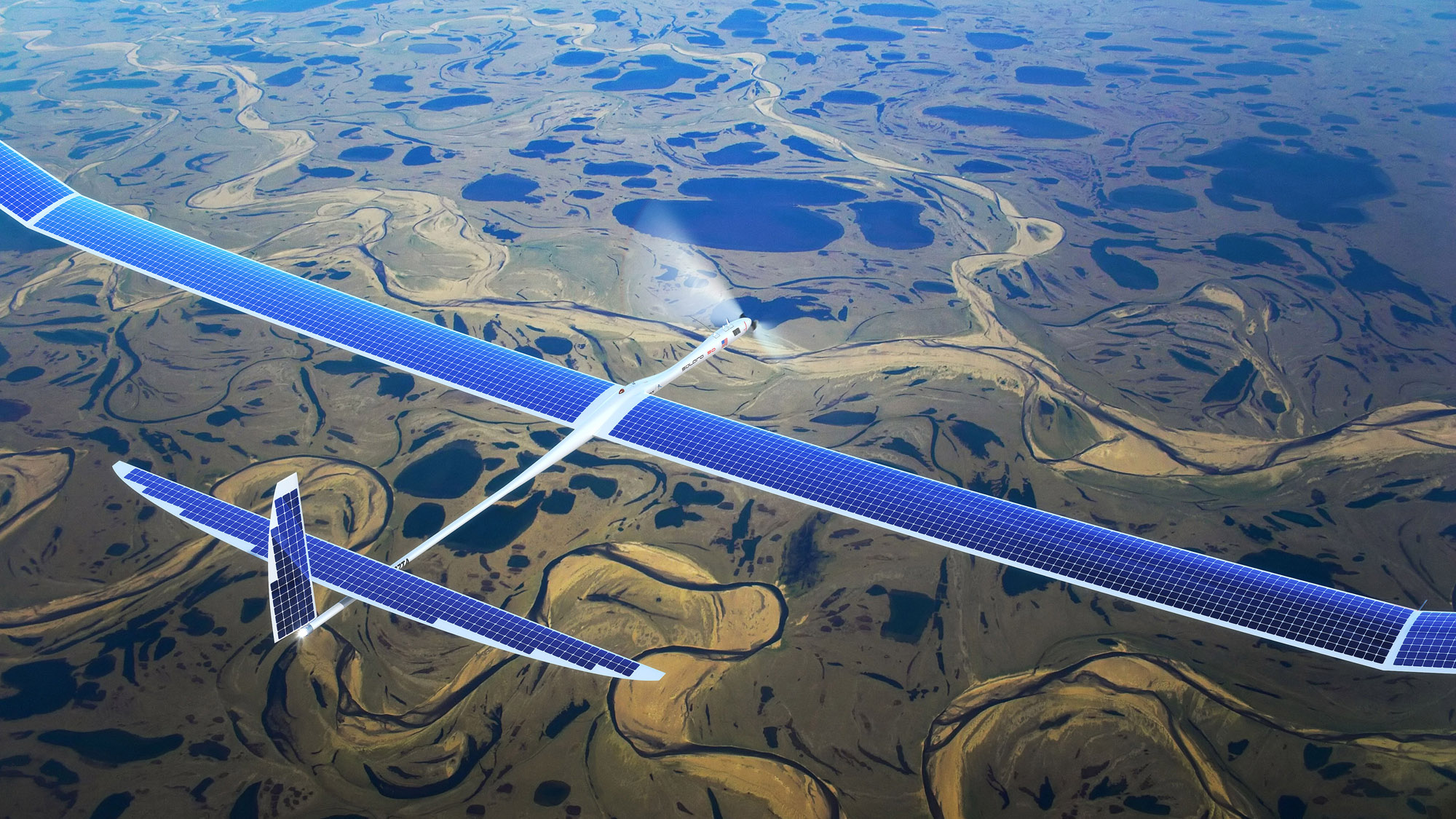
Back at the beginning of March, rumors were swirling that Facebook was in talks to buy drone maker Titan Aerospace in a $60 million acquisition. Titan Aerospace has a solar-powered aircraft that can operate as high-altitude wireless hot spots while circling the stratosphere for years before refueling. Mark Zuckerberg had described these plans as a philanthropic effort (much like Google). I think we can realize however that it’s going to be very good for business (either Google’s business or Facebook’s) to expand the reach of the internet to the rest of the world.
So let’s backtrack a bit. Why drones? Well, logistically, using the sky is a much less intrusive way to build the same connectivity than digging trenches and laying pipes would be. It’s much faster and more efficient. These drones are capable of flying at a reported altitude of 65,000 feet for up to three years. And thus, we find a huge interest in this market. Unfortunately for Facebook, they didn’t win this round.
Google has recently announced their acquisition of Titan Aerospace. Facebook, however, isn’t out of the race. They had previously revealed their own purchase of Ascenta -U.K. based Titan Aerospace competitor. According to TechCrunch:
“Both Ascenta and Titan Aerospace are in the business of high altitude drones, which cruise nearer the edge of the earth’s atmosphere and provide tech that could be integral to blanketing the globe in cheap, omnipresent Internet connectivity to help bring remote areas online. […] Google will be using Titan Aerospace’s expertise and tech to contribute to Project Loon, the balloon-based remote Internet delivery project it’s currently working on along these lines.”
When Facebook first threw their hat in the race, Zuckerberg was betting that drones could do a better job than balloons and he argued that point. The problem now is –both companies now have drones. What’s next? What are your thoughts? We’ll be watching this race closely and if any new developments pop up we’ll be sure to let you know.
Meanwhile, what do you think Facebook’s next moves need to be to stay ahead of Project Loon? How do you think Google is going to merge its balloons with these new drones? Comment below and feel free to share!