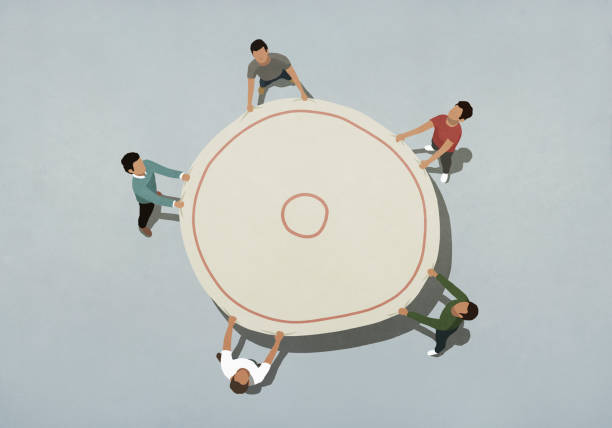

Working as a consultant, the projects we are given are going to be from the very small end to the very large end. As we know, any large project is going to be a very dynamic issue usually with several moving parts. So, when you’re handed a huge project, how are you going to get it done? Here you are with 1,000 hours of work dumped right in your lap. What’s your next move?
Well, the first question you should actually be asking yourself is, “How am I going to break this project down?” You should know that, when you’re working as a consultant, one of the most important tools for you to offer is the ability to break a big project up into small pieces. You have to figure out how to rearrange the project down into smaller pieces.
Why? Because eating an elephant in one swallow is impossible. Eating an elephant bite by bite may be challenging, but it’s possible. That is the most important part –making the impossible task or project possible. Setting short term goals, deadlines, sprints, etc. can translate into the success of a project. It offers several positive results.
First, setting short term goals means setting goals that are more attainable. Asking for a piece of the puzzle by tomorrow is much more manageable than asking for the whole thing by the end of the week. I’ve found that setting several smaller deadlines allows us to stay on top of our tasks and be sure that all the boxes are ticked. I find this especially true when working with a team with several moving parts that have to come together at the end of a project. When each leg of the project has several small deadlines, we can be sure that all parts of the team are on the same page and meeting goals at the same rate.
Another great benefit for setting short term goals and deadlines is allowing you to get a rhythm going on a big project that’s been dumped in your lap. If you’re anything like me, you probably have more than one project from more than one client happening at the same time. Those projects and clients don’t just disappear because you’ve had a new huge undertaking placed on your plate. Setting manageable goals in the process allows you to hit the ground running successfully on your new project and also allows you to continue giving your current projects the time and attention they need.
This is also a great learning opportunity for other members of your team. Ask your employees, clients, or the people that you’re working with, “How are we going to break this up? How are we going to eat this elephant?” This is specifically helpful if you are working on different projects that are coming together for a common goal.
So, what is your favorite way to break up a big project? Do you have a system for introducing a new giant project into your already hectic schedule? Or, do you only take on one project at a time to avoid all of that? Comment below!